
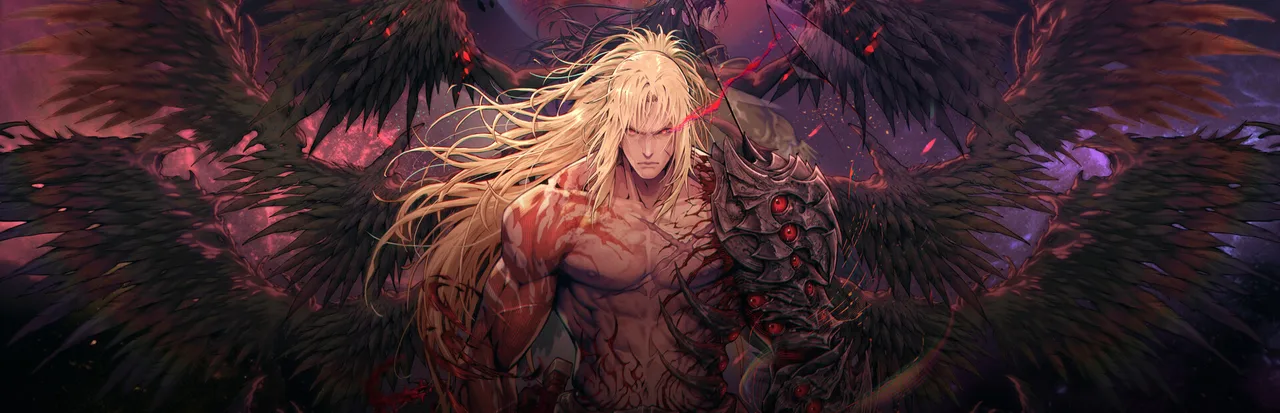
About The First Berserker: Khazan
Developed by Neople and published by Nexon, The First Berserker: Khazan released in March 2025 for PlayStation 5, Xbox Series X|S and Windows. It is a single-player action RPG set in the Dungeon & Fighter universe, 800 years before the events of Dungeon Fighter Online. This review covers the base game and the free updates since launch; the Deluxe edition adds cosmetic weapon and armour sets and a digital artbook rather than extra story.
Your stamina bar is the real health bar
Everything costs stamina. Swinging costs it, dodging costs it, and blocking costs a lot of it while also slowing you down and holding back your recovery, so leaning on the guard button is a way to lose slowly rather than a way to be safe. Timing is what turns defence into offence. Block just before an attack lands and you get a Brink Guard, which costs almost nothing, cuts into the enemy's stamina instead of yours, and keeps you steady even when your bar is nearly empty. Dodge at the right moment and you get a Brink Dodge, which keeps your dodge attack honest.
Not every attack can be answered the same way. Burst Attacks cannot be blocked at all, so they have to be dodged or met with a counter, and the Counterattack skill turns a well-timed one into a Perfect Counter that hands your stamina straight back. Enemies that hold their stance through light hits need a Potent Blow to break, and a few of them shrug that off too. Run your own bar dry and you are exhausted and taking heavy hits until it returns, which is exactly the punishment you are trying to hand out.
Exhaust them, then cash in
An enemy drops into exhaustion when its stamina and its brute force are both gone, and that is the window the whole fight is built around: free hits while it lasts, finished with a Brutal Attack. Doing that from the front refills your own stamina; doing it from behind hits harder and keeps them down longer. Weak points give you the same kind of shortcut, and an ambush from behind an enemy's sight line can open a fight before it has properly started.
Three weapons, three answers. Dual Wield is fast and short, and much of its skill list is built around attacks that carry on through an enemy's swing. The Greatsword is slow and heavy, with charged strikes that widen out and enough stagger to trade. The Spear has the reach and the best stamina damage of the three, which makes it the natural pick for anyone who wants to farm exhaustion windows rather than memorise a punish. Each one scales off different stats, and the developers' own first-anniversary figures back up how the player base split: spears and dual wield between them accounted for roughly three quarters of players.
Skill points come out of the fight, and you can refund them anywhere
Skill points are not a levelling reward. You earn them by hitting things with the weapon you actually want to improve, and boss fights pay out even when you lose. Points go into four trees - Dual Wield, Greatsword, Spear and Common - and the Common tree holds the tools that work whatever you are holding, including the counter, the brutal attack upgrades and the ranged javelin.
Mastery Level caps how many more skill points you can earn until you clear the main mission that lifts the cap. Spirit skills are the flashy half: they run on Spirit, a separate bar you fill by attacking rather than by standing still, and each weapon tree gives you six slots for them, which is where a build starts to feel like a build rather than a stat block. Nothing in the tree is permanent, either. The game lets you reset and respec skill points at any time from anywhere, and unlearned skills hand their points back, so a weapon route that stops working is a decision you can walk back mid-run.
Phantom Form and your ally are two different things
Phantom Form looks like a summon and is not one. It merges Khazan with the Blade Phantom, opens up the Phantom's own skill set, and takes damage out of its gauge instead of your health, which makes it much closer to a second life bar than to a pet. Killing Chaos-touched enemies refills part of that gauge, and entering the form lands a shockwave on nearby undead. It is a panic button and a burst window in one, and it is worth building around.
The thing that actually fights next to you is the Spirit of Advocacy, summoned at a Golden Netherworld Rift in the run-up to a boss fight. It is the game's mercy valve. Summoning used to cost a Lacrima of Circulation every time, and a patch removed that cost entirely, which tells you what the developers concluded about how many players were leaning on it. Your mileage will vary wildly: the spirit can hold a mid-game boss with you and then evaporate against a late one, and it has no sense of self-preservation.
Death is a walk, not a setback
Lacrima is the currency that levels you up, and losing it hurts more than losing progress usually does, because getting it back means walking to where you died. Two things take the sting out. A boss fight pays bonus Lacrima based on the damage you managed before you died, so a wipe is never empty, and there are no lost levels to grind back. Outside the arenas the game is generous in ways that matter: Blade Nexus checkpoints heal you, refill your healing energy, clear status effects and respawn the ordinary enemies, and the shortcuts you unlock stay unlocked.
Levels will not solve a fight for you, which is the fairest version of this bargain. Vitality, Endurance, Strength, Willpower and Proficiency decide what your weapons do and how long you last, but a level buys margin rather than an answer, and you can only undo a stat with a rare consumable. The answer stays the same all game: read the wind-up, spend the stamina on the right response, punish the opening.
Reception and post-launch updates
Critics were kind to the fighting and hard on everything around it. The major aggregate has the game around 81 from roughly a hundred critics with more than four in five recommending it, and the storefront summary reads Very Positive across about 32,000 user reviews. Common criticisms included level design and mission structure that never reach the standard of the boss fights, regular bosses reappearing as side-mission opponents soon after you first meet them, and a pile of loot that behaves like Nioh's, which means menu time rather than interesting decisions. Nearly everyone who liked it liked it for the same reason, and the bosses are worth learning.
Post-launch support has mostly moved in the player's favour. The biggest change was to difficulty: the June 2025 patch renamed the existing options, so Easy became Normal and Normal became Expert, and added Beginner at the bottom and Hardcore at the top, so the four options are now Beginner, Normal, Expert and Hardcore. Hardcore is the one that locks that choice down for the playthrough, and it also switches off Phantom Form, the Spirit of Advocacy and the enemy health and stamina bars. The same month's patches removed the summoning cost from the Spirit of Advocacy and lengthened the exhaustion windows on a few early bosses that players were bouncing off. Later updates added graphics support, anniversary and holiday gear drops, and ongoing stability and security work; the most recent patch in July 2026 was maintenance rather than content.
Should you play it
Yes, if you want a boss gauntlet with a serious defensive game underneath it. Khazan is at its best in the twenty minutes after a moveset finally clicks, when a fight that felt unfair turns into a conversation you are winning, and there is a long campaign of those moments. It also suits anyone who wants their build to be adjustable at any time rather than committed to at a menu, and anyone who wants a real post-game: New Game+ plus two challenge modes that reset your stats and gear, with Great General's Crucible running themed boss groups and Berserker's Bloodshed lining up all sixteen bosses back to back.
Skip it if you need the places between the bosses to be the reason you are there. The missions are corridors with collectibles in them, and when a boss stops you, the game's only answer is practice rather than another route. Skip it as well if you want one defensive tool to carry you to the credits: which answer works changes from boss to boss, and that inconsistency is deliberate.
Two things worth knowing before you buy. Gear sets matter as much as levels, because completing a set is where a lot of your damage lives. And the endings are gated on homework done earlier; the true ending wants all fifteen hidden collectibles plus two specific side missions, so getting it on a first run means exploring between bosses, which is the part of the game people tend to like least. The Deluxe edition's extras are cosmetic sets and an artbook, not extra story, so the standard version is the sensible buy.
Go deeper with V4mp
- Developer
- Neople
- Genre
- Action RPG
Explore The First Berserker: Khazan further
Explore the wiki for detailed reference pages on the game's world, systems, items and locations.