
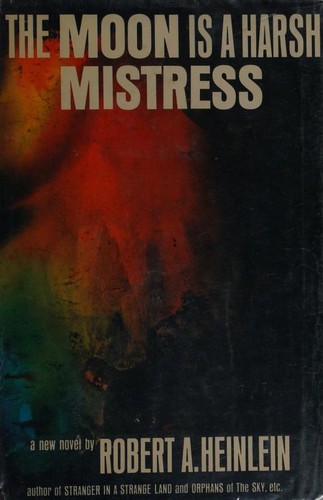
The Moon Is a Harsh Mistress
Luna is a prison colony that grows food for Earth and ships it down a gravity well it can never climb back up.
About
Robert A. Heinlein's 1966 science fiction novel The Moon Is a Harsh Mistress concerns a revolt in 2075 by a lunar penal colony against the rule of Earth, and it explores libertarian ideas about free markets, voluntary association and individual liberty. It won the Hugo Award for Best Novel in 1967.
By 2075 the Moon serves as a penal colony. Its three million inhabitants, known as Loonies, live in underground cities; most are freed criminals, political exiles or the free-born children of both, and the population is two-thirds male, which makes plural marriage normal. Luna grows food for Earth and ships it down a gravity well it can never climb back up.
Manuel Garcia O'Kelly is a freelance computer technician, and his best friend is Mike, a self-aware computer that runs large parts of the Moon. When the Federated Nations move to take more of the colony's resources, Mannie and a political agitator named Wyoming Knott end up in the same room as a professor who has been arguing about the state for years. The four of them start planning something larger than a protest, timed to culminate on 4 July 2076.
Heinlein tells the story through Mannie's narration, which is written in a lunar dialect with its own vocabulary. The novel is a standalone book.
Book details
- Author
- Robert A. Heinlein
- First published
- 1966
- Series
- No series listed
- Subgenre
- Hard science fiction, Military science fiction
- Primary genre
- Sci-Fi
- Tags
- No tags for this book.
Rating
Review
Editor profile
Baby Bat
Goodreads and social links will be added soon.
- Goodreads — link coming soon
- Social media — link coming soon