
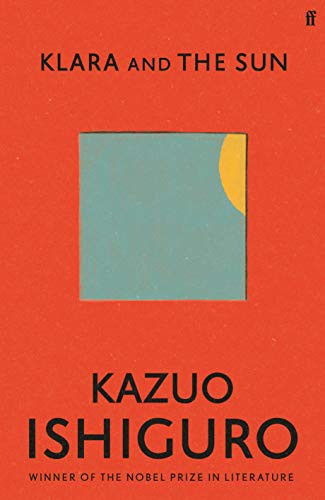
Klara and the Sun
Klara is an Artificial Friend, solar-powered and built for empathy, who watches the street from a shop window and waits to be chosen.
About
Kazuo Ishiguro, the Japanese-British writer, published his eighth novel, Klara and the Sun, on 2 March 2021. The story is dystopian science fiction set in the United States in an unspecified future, and it was longlisted for the 2021 Booker Prize. The narration stays with Klara, a solar-powered Artificial Friend whose companion role is chosen for her by a sickly child.
The future it describes includes children who are genetically engineered, or lifted, for enhanced academic ability. Schooling is provided at home by on-screen tutors, so there are few chances to socialise, and families with money buy androids to keep their children company. Klara watches the street from a shop window and waits to be chosen.
She is bought for a girl called Josie, whose health is uncertain and whose family is keeping something from her. Klara's job is to observe, to learn what people need from very little evidence and to be what she is asked to be. She is also trying to work out what the Sun can do for Josie, and she makes arrangements of her own about it, which are the part of the book her owners do not fully understand.
Ishiguro writes the novel from inside Klara's mind, from a position of limited information and considerable faith, and the reader has to work out the household's situation from what she notices. It is a standalone novel rather than part of a series.
Book details
- Author
- Kazuo Ishiguro
- First published
- 2021
- Series
- No series listed
- Subgenre
- Robot and AI
- Primary genre
- Sci-Fi
- Tags
- No tags for this book.
Rating
Review
Editor profile
Baby Bat
Goodreads and social links will be added soon.
- Goodreads — link coming soon
- Social media — link coming soon